MAIN MENU
SEARCH
Services

Landlords

Tenants

Brokers

Vendors


The legal validity of a rental agreement (a tenancy contract) refers to the legitimacy and binding nature of its provisions for all parties throughout the contract period or until certain circumstances arise. In other words, each party has specific obligations toward the other party, while also having the right to require the other party to fulfill their responsibilities and obligations.
So, let's discuss the key aspects of tenancy contract legal validity in Dubai.
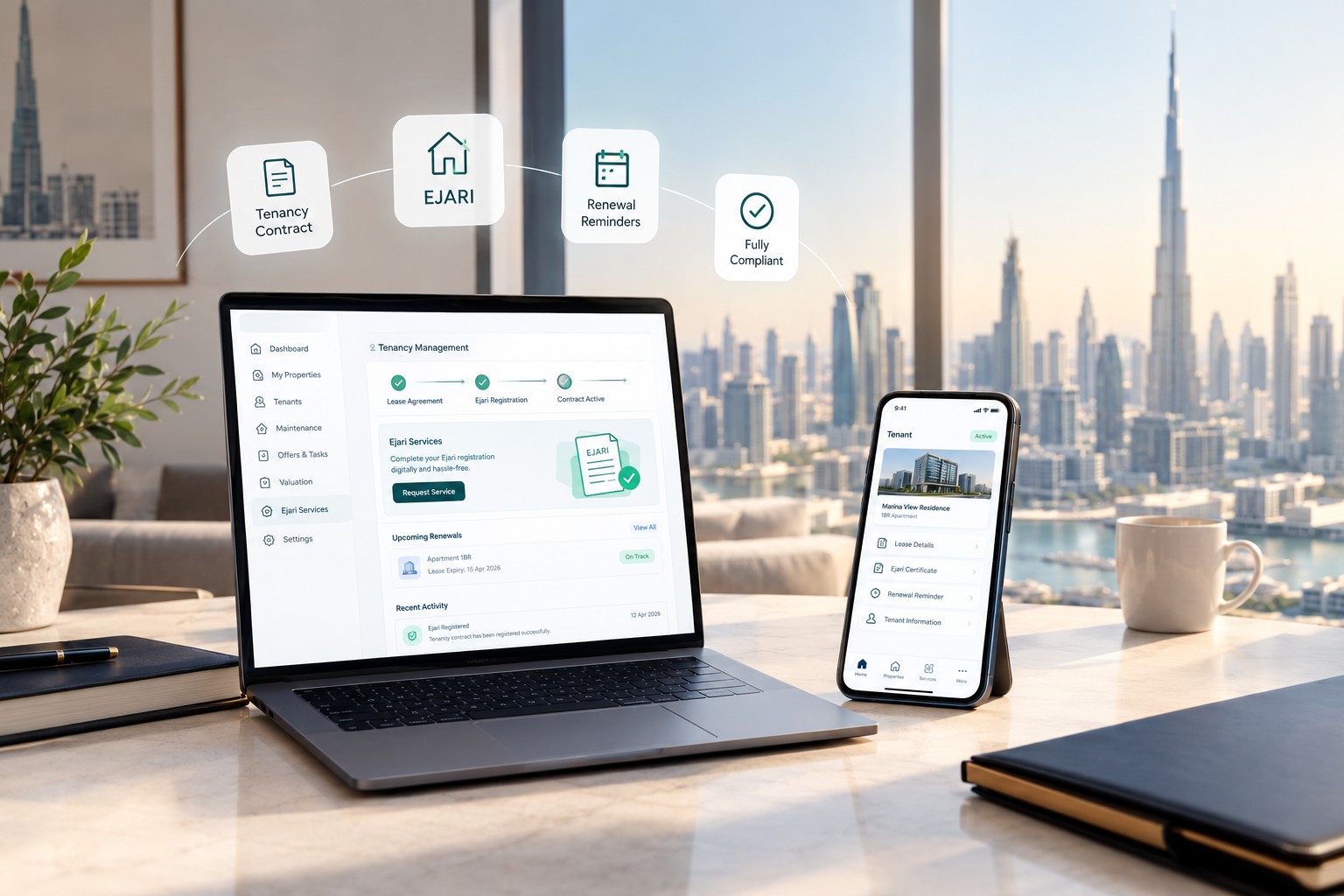
In general, a tenancy contract gains legal validity after both parties sign it. However, in Dubai, you must register the contract through EJARI, the system established to officially record and regulate rental relationships.
Did you notice our word choice? Not "need" or "should", but "must". This is deliberate. Registering a tenancy contract with EJARI in Dubai is not optional but mandatory. This requirement was introduced under Law No. 26 of 2007 and remains an important part of Dubai's tenancy framework.
This is not only about the fact that, without registering your contract through EJARI, you may face difficulties when filing a complaint with the Rental Dispute Center to resolve tenancy disputes. It is also important for essential services, as DEWA requires a registered tenancy contract for connecting utilities such as water and electricity.
Thus, registering your tenancy agreement is an important requirement.
However, this requirement concerns long-term leases. Typically, a long-term lease refers to a rental agreement with a tenancy period of six months or more. Short-term rental arrangements are generally subject to different rules and are not registered through EJARI in the same way as standard long-term tenancy contracts.
One only needs to look through the standard tenancy contract to understand who is responsible for registering it. Specifically, Clause 14 of the Terms and Conditions states that the landlord is responsible for registering the contract with EJARI and providing the required documents.
This means that the landlord is responsible for completing the EJARI registration process, including submitting the required documents and paying the applicable fees through the relevant service channels.
Fortunately, property-related processes can now be managed digitally through the BSO Club app, making it easier to keep track of important property requirements and tasks in one place.
As of September 2020, the total amount for EJARI registration was AED 220. This amount included VAT and applicable government fees.
Well, it depends. More specifically, it depends on whether the tenancy contract has been properly registered.
As discussed earlier, registering the tenancy contract through EJARI gives the rental relationship formal legal recognition. In such cases, the applicable laws provide mechanisms for landlords to address breaches of contractual obligations and seek resolution through the appropriate authorities.
If a tenant breaches the terms of the tenancy agreement, this may constitute a violation of the landlord's contractual rights. Depending on the nature and circumstances of the breach, available remedies may include financial penalties or, in certain legally defined circumstances, eviction.
The grounds for eviction are not limited to rent payment issues. Under Article 25 of Law No. 33 of 2008, certain breaches of tenancy terms and other specified circumstances may also constitute grounds for eviction, subject to the applicable legal requirements and procedures.
However, if the tenancy contract has not been properly registered, the landlord may face difficulties when attempting to pursue a dispute through the Rental Dispute Center. This makes proper documentation and registration an important part of managing a rental property.
With the BSO Club app, landlords can manage property-related requirements digitally, keep track of important tasks, and organize their property activities from one convenient platform. Instead of relying on separate calls, messages, and paperwork, the app provides a more organized way to manage property-related processes.
.avif)
.avif)
.avif)
.avif)
.avif)
.avif)
.avif)
.avif)
.avif)
.avif)
.avif)
.avif)

.avif)
.avif)
.avif)
.avif)

.avif)
.avif)

Professional property management in Dubai has been taken to a new standard by BSO® (Be Simply Organized), which provides UAE landlords with outstanding opportunities.