MAIN MENU
SEARCH
Services

Landlords

Tenants

Brokers

Vendors



Renewal season in Dubai comes with a familiar moment of anxiety: the landlord sends a new figure, and the tenant is left wondering whether it's actually legal — or just what the landlord thinks the market will bear. It's one of the most common flashpoints in the entire tenancy relationship, and it's also one of the most misunderstood, because unlike many rental markets, Dubai doesn't leave the number up to negotiation alone.
Rent increases in Dubai are governed by a clear legal formula, not a landlord's gut feeling about "what similar units are going for." Here's exactly how the system works, what a landlord can and can't do, and how to check whether an increase you've been handed is actually enforceable.
Rent increases fall under Law No. 26 of 2007, as amended by Law No. 33 of 2008, with the specific increase mechanism detailed in Decree No. 43 of 2013. Together, these establish that rent can only be reviewed and potentially increased once every 12 months, and only at the point of renewing the tenancy contract — never mid-term.
The system exists specifically to stop arbitrary rent hikes. A landlord can't simply decide the market has moved and demand more; any proposed increase has to be measured against an official benchmark: the RERA Rental Index, maintained by the Real Estate Regulatory Agency under the Dubai Land Department.
The Rental Index compares your current rent to the average rent for comparable properties in your area — same building type, similar size, similar location. The gap between what you're currently paying and that market average determines whether an increase is allowed at all, and if so, how much.
The bands work like this:
In other words, the increase is capped based on how far your current rent sits below what the index considers fair market value — the further below market, the larger the permitted jump, but 20% is the hard ceiling in any single renewal cycle. If your rent is already at or above the index average, your landlord has no legal basis to raise it at all.
This system cuts both ways. It protects tenants from being blindsided by a steep hike when their rent is already close to market rate, but it also gives landlords a legitimate, defensible path to bring genuinely under-market rents up to a fair level over time — just not all at once.
Even when an increase falls within the permitted band, it isn't automatically enforceable. The landlord must serve written notice at least 90 days before the tenancy renewal date, clearly stating the new rent.
Miss that window, and the increase doesn't apply for that renewal cycle — the contract simply renews at the existing rent, and the landlord has to wait until the following year to try again. This is one of the most common reasons a legally valid increase still ends up unenforceable in practice: the calculation was correct, but the timing wasn't.
A few things worth noting about notice validity:
If a landlord raises the rent beyond what the index permits, or fails to give the required 90 days' notice, the tenant isn't obligated to accept it. The tenancy contract legally renews under the previous terms, and if the landlord insists on the unlawful figure or attempts to force the tenant out over the disagreement, the matter goes to the Rental Disputes Centre (RDC) under the Dubai Land Department.
In practice, most of these disputes come down to documentation: the tenant's existing Ejari-registered contract, the increase notice (or lack of one), and a printout or screenshot of the relevant RERA index figures at the time of the dispute. Tenants who keep this paper trail tend to resolve these cases quickly, because the calculation itself isn't really up for debate — either the number matches the index band, or it doesn't.
Most unlawful rent increases in Dubai aren't the result of landlords deliberately trying to break the rules — they're the result of guesswork. A landlord hears that "prices in the building have gone up" from a neighbor or a broker, assumes their own increase is reasonable, and sends a notice based on that impression rather than the actual index figure for their specific unit type and location. By the time a dispute reaches the RDC, that guesswork often turns out to be wrong — either the percentage is too high for the calculated gap, or the notice was served late.
This is exactly where BSO Real Estate Management adds real value for landlords who want to raise rent without triggering a dispute. Before any renewal notice goes out, BSO checks the proposed figure against the live RERA Rental Index for the specific building and unit type — not a general area average — so the increase is defensible from day one. Notices are also tracked and served within the correct 90-day window as a matter of process, rather than something landlords have to remember to calendar themselves.
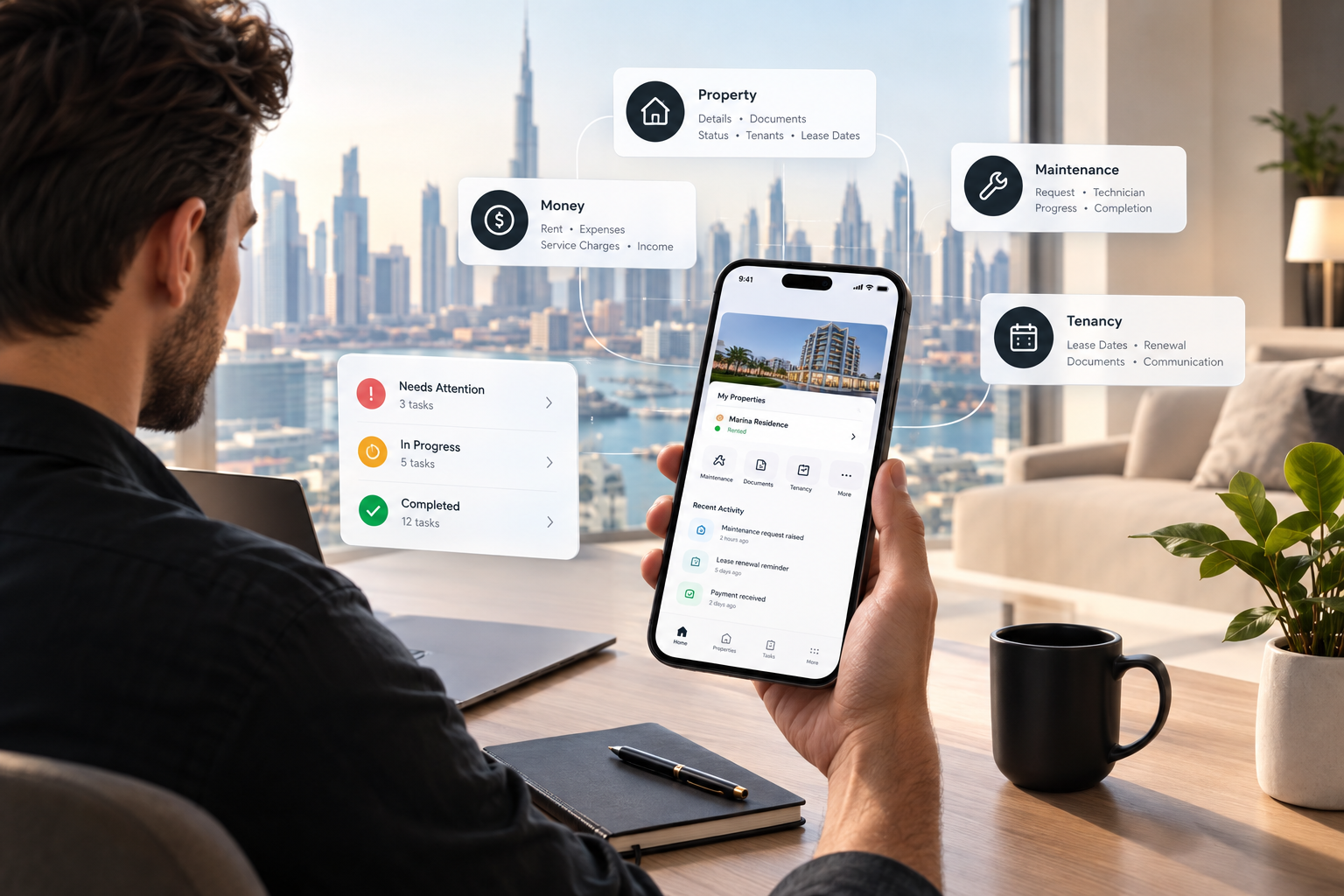
For tenants, the same transparency runs the other way. Landlords and tenants managing their tenancy through BSO Club can see exactly how a renewal figure was calculated, rather than being handed a number with no explanation and having to take it on faith — which tends to prevent the disagreement from starting in the first place.
If you've just received a renewal notice and want a rough sense of whether it holds up:
If either the percentage or the timing doesn't line up, the increase generally isn't enforceable as presented, and it's worth raising that directly with the landlord before assuming you have to accept it.
A landlord in Dubai can only raise rent once a year, at renewal, and only within a specific band determined by how far the current rent sits below the RERA Rental Index average — capped at a maximum of 20% in any cycle. The increase also has to be delivered as written notice at least 90 days before the renewal date, or it doesn't apply for that term.
The math itself isn't complicated, but getting both the calculation and the timing right — or checking someone else's — is where most disputes actually start. Whether you're a landlord trying to raise rent defensibly or a tenant trying to confirm a figure you've been handed, that's exactly the kind of process BSO and the BSO Club platform are built to keep straightforward, rather than something either side has to guess at.
.avif)
.avif)
.avif)
.avif)
.avif)
.avif)
.avif)
.avif)
.avif)
.avif)
.avif)
.avif)

.avif)
.avif)
.avif)
.avif)

.avif)
.avif)

Professional property management in Dubai has been taken to a new standard by BSO® (Be Simply Organized), which provides UAE landlords with outstanding opportunities.
Download BSO Club now!